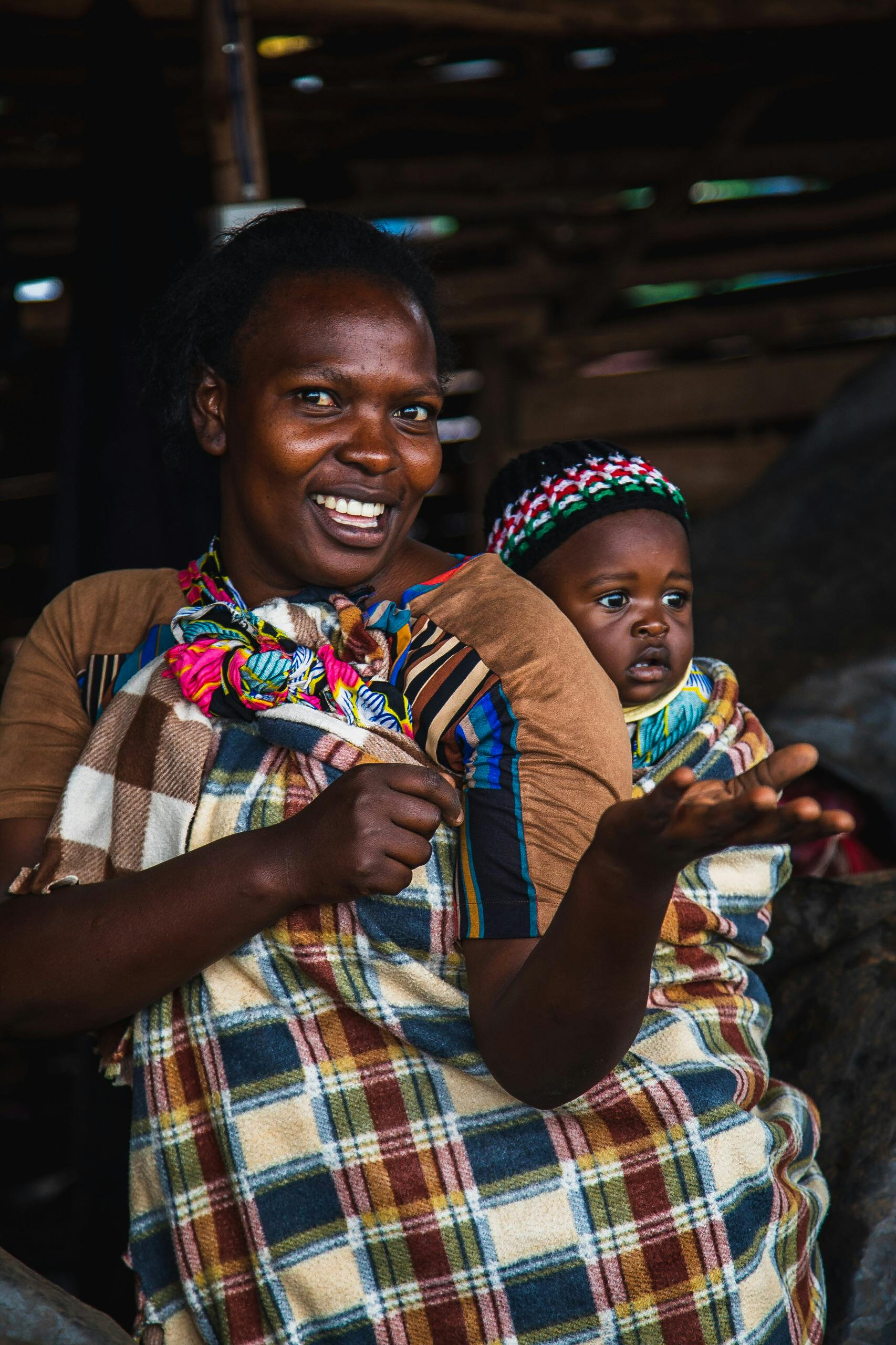
Hey mama — deep breath. If your little one is between 6 and 12 months, you’re at an exciting and sometimes stressful stage: solids, new textures, more movement, and lots of questions. This guide gives you clear, research-backed steps to support healthy weight gain, plus trusted Kenyan and global resources so you can track progress the right way.
Why 6–12 Months Is Crucial for Baby Weight Gain
Around 6 months, breast milk or formula alone no longer provides all the nutrients your baby needs — especially iron and zinc. That’s why safe, nutrient-dense complementary feeding starts now. Growth will continue, but more steadily than in newborn weeks; this is normal. (See WHO guidance on complementary feeding below.)
Trusted reading:
WHO — Infant and Young Child Feeding (complementary feeding) guidance. https://iris.who.int/bitstream/handle/10665/373358/9789240081864-eng.pdf
Kenya MOH — Mother & Child Health Handbook (Afya ya Mama na Mtoto) — growth charts used in clinics. https://media.path.org/documents/Mother_Child_Health_Handbook_MOH.pdf

What most moms worry about — and what to do (simple, actionable)
If the baby isn’t gaining fast enough
Check feeding frequency, how many breastfeeds or formula feeds per day, and whether solids are calorie-dense. Weigh and plot on a growth chart regularly. If your baby’s centile drops quickly, speak to your nurse or pediatrician.
Breastfeeding vs formula
Both can support healthy growth. Breastmilk is ideal if possible; formula is a safe alternative when needed. The goal is enough calories, hydration, and frequent feeding. Continue breastfeeding alongside solids until at least 12 months if you can. (WHO: continued breastfeeding is recommended up to 2 years or more.)
Introducing solids: when & how much
Start at about 6 months. Begin with single-ingredient purees or mashed soft foods. For 6–8 months, aim for 2–3 small meals a day plus breastfeeds/formula; by 9–12 months, move to 3–4 meals and healthy snacks if needed.
Avoiding “fillers” and sugar
Focus on nutrient-dense foods, not just volume. Avoid sugary drinks and baby snacks that are high in empty calories. Use healthy fats and protein to increase calorie density (ideas below).
When illness or teething causes appetite drops
Offer small, favorite, soft foods frequently, keep up breastfeeding/formula, and keep fluids. Appetite usually returns — watch weight and ask your provider if loss continues.
Allergies or digestive issues
Introduce one new food at a time, wait 2–3 days before the next. If rash, vomiting, severe diarrhea, or blood in stool appear, stop the food and see a provider.

Practical feeding tips that actually help weight gain
Use these today — no fancy shopping required.
- Feed often and responsively. Babies at this age may need 6–8 feeds (breastfeeds + solids) across the day. Watch hunger cues.
- Make solids calorie-dense. Add small amounts of healthy fats (e.g., a teaspoon of vegetable oil, mashed avocado if acceptable, full-fat yogurt if older than 6 months), and protein (pureed meat, mashed beans, egg yolk).
- Iron matters. Offer iron-rich foods (meat, fortified cereals, mashed lentils). Iron supports growth and overall energy.
- Texture progression. Move from thin purees to thicker purees, then mashed, then soft finger foods as your baby develops chewing skills.
- Make meals short and calm. 10–20 minutes of focused feeding is better than long, stressful attempts.
- Keep breastfeeding/formula as the main drink. Solids supplement, they don’t fully replace milk until later.
Quick sample feeding schedule (flexible)
- 6–8 months: Breastfeed/formula on demand + 2 small complementary meals (e.g., porridge with mashed banana; mashed sweet potato + mashed lentils).
- 9–12 months: Breastfeed/formula + 3 meals (soft protein + carb + vegetable) and 1 snack (e.g., full-fat yogurt or mashed fruit with nut butter thinly spread).
(Full recipe ideas and simple calorie-boosting meal plans are in my next post — subscribe so you don’t miss it!)
Red flags — when to see a health worker
Talk to your clinic or pediatrician if your baby:
- Loses weight or drops across growth chart percentiles quickly.
- Has persistent vomiting or diarrhea, blood in stool, or difficulty feeding.
- Seems unusually lethargic or misses developmental milestones.
Kenya MOH growth monitoring tools (used by clinics) can help you track and decide when to seek help: https://media.path.org/documents/Mother_Child_Health_Handbook_MOH.pdf
Trusted Kenyan & global resources
- WHO — Infant and Young Child Feeding: Complementary Feeding Guidance. https://iris.who.int/bitstream/handle/10665/373358/9789240081864-eng.pdf
- WHO — Infant and young child feeding fact sheet. https://www.who.int/news-room/fact-sheets/detail/infant-and-young-child-feeding
- Kenya Ministry of Health — Mother & Child Health Handbook (Afya ya Mama na Mtoto). https://media.path.org/documents/Mother_Child_Health_Handbook_MOH.pdf
- Kenya MOH — Guidelines for Postnatal Care (growth monitoring). https://familyhealth.go.ke/wp-content/uploads/2018/02/Guidelines-for-postnatal-care-to-mothers-and-newborns-2016-18-12-2016B.pdf
- UNICEF — Infant and Young Child Feeding resources. https://www.unicef.org/nutrition
FAQs
Q: When should I worry about my 7-month-old not gaining weight?
A: If weight falls across two major percentiles or stops rising over several weeks, talk to your nurse or pediatrician. Always check feeding frequency, solids intake, and any signs of illness.
Q: Can solids make my baby gain weight quickly?
A: Solids add nutrients and calories but won’t instantly accelerate growth. Healthy weight gain is steady — focus on nutrient-dense foods and regular monitoring.
Q: Should I stop breastfeeding if my baby isn’t gaining weight?
A: No. Continue breastfeeding while improving the calorie and nutrient density of complementary foods. If supply or latch is an issue, seek lactation support.


Comments
4 responses
[…] you dive into recipes, if you haven’t already, check out How to Help Your Baby Gain Healthy Weight: A Practical Mama-Friendly Guide (With Kenyan Growth Chart… — it covers the safety, growth monitoring, feeding schedules, and tips that pair perfectly with […]
[…] As a mama, you want only the best for your baby. But sometimes, even with good intentions, small feeding mistakes can slow weight gain, cause fussiness, or lead to nutrient gaps. If your baby is between 6-12 months, here are 10 common feeding mistakes many Kenyan moms make — and how to fix them. For more detailed guides and healthy recipes, check out these posts:Top 10 Kenyan Baby Weight Gain Recipes · How to Help Your Baby Gain Healthy Weight: A Practical Mama-Friendly Guide (With Kenyan Growth Chart… […]
Very true mama 💕 — most of us make these little mistakes without even realizing it. The good thing is once you know, it becomes so much easier to fix and your baby thrives. I’ve also shared some practical Kenyan-friendly recipes and a full guide with the growth chart to help track progress. You can check them out here 👉 Top 10 Kenyan Baby Weight Gain Recipes and How to Help Your Baby Gain Healthy Weight. Hope it helps you and your little one 🌸
[…] 👉 For a step-by-step feeding guide with Kenyan growth charts, read this: How to Help Your Baby Gain Healthy Weight: A Practical Mama-Friendly Guide. […]